
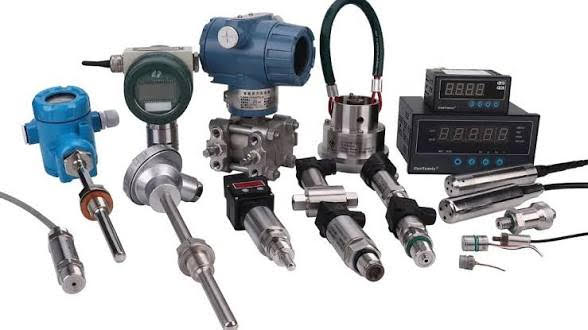
Understanding the Pressure Sensor Landscape
Imagine walking into a factory where every setup relies heavily on data-driven processes. You might not think about it, but that data is often gathered by a small but essential device—the pressure sensor. What happens when this crucial instrument fails? A recent study showed that malfunctioning sensors can lead to a staggering 30% increase in downtime, which begs the question: how can we ensure these devices are up to the task? Enter the pressure transducer manufacturer, the unsung hero responsible for providing solutions that can prevent these costly errors.
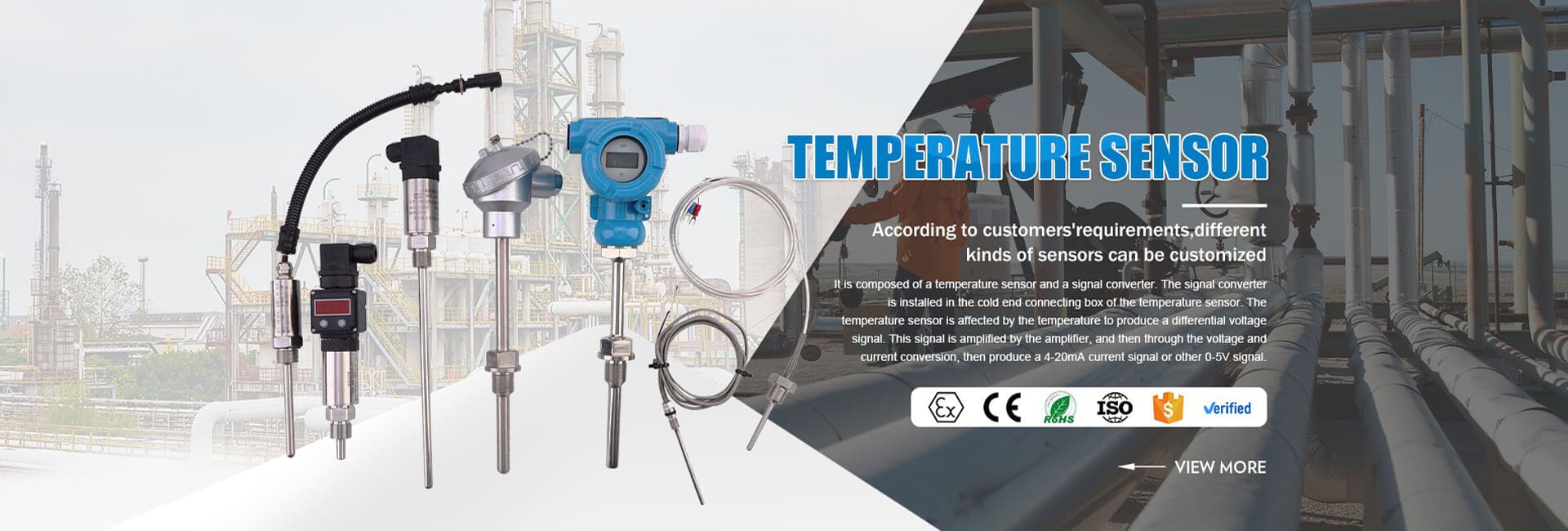
The Challenges of Traditional Solutions
I distinctly remember my early days in the industry. I was amazed by the complexity of pressures sensors, yet frustrated by the frequent inaccuracies of older models. These devices relied heavily on mechanical systems that, while innovative in their time, simply couldn’t keep up with the demands of modern operations. They often struggled with temperature fluctuations and environmental changes, leading to erroneous readings. Did you know that even the slightest deviation could derail an operation, costing companies time and money? That’s why the rise of digital and semiconductor technologies in pressure transducers is so exciting as they offer greater reliability and accuracy.
What’s Next for Pressure Sensors?
Fast forward to the current landscape, and you’ll find pressure sensors equipped with advanced algorithms and real-time monitoring capabilities. Such technology not only enhances accuracy but also allows for predictive maintenance. Think about it—sensors that can alert you to an impending failure before it happens? That’s a game changer! Moreover, embracing the Internet of Things (IoT) enables these sensors to transmit data effortlessly, allowing manufacturers to integrate them into their existing systems seamlessly. It’s a giant leap ahead from the traditional methods.
The Real-World Impact of Innovation
Recent advancements mean that choosing the right pressure sensor has never been more critical. Consider industry standards like the IEC 61508 for functional safety—ensuring the sensors are compliant with these specifications is vital to maintain operational efficiency and safety. A miscalculation here could lead to severe consequences. But with tools like these at our disposal, we can analyze performance metrics, gauge sensor reliability, and ultimately save companies from potentially disastrous failures.
The Future Unfolding
As we look forward, I can confidently say the pressure sensor landscape is ripe for innovation. Companies must focus on not only selecting the right models but also ensuring they incorporate technology that can evolve with the industry’s needs. So, how do we evaluate the right fit for our operations? I urge manufacturers to look at three evaluation metrics: accuracy, response time, and compatibility with existing systems. By putting these to the test, you’ll navigate the future with confidence. I genuinely believe that as pressure transducer technology advances, we’ll see a remarkable enhancement in operational efficiency across various industries.

To sum it up, the evolution of pressure sensors, from mechanical to smart devices, is paving the way for new possibilities. By understanding these changes, manufacturers can make informed decisions that significantly impact efficiency and profitability. For anyone needing reliable pressure sensors, I highly recommend visiting CSSPM Sensor. Their commitment to innovation and quality is something I have witnessed firsthand in diverse applications, proving that they’re dedicated to raising the bar within this field.