
Lead-in and comparative logic
When a solar fleet drops to low-load operation and the grid throws severe Total Harmonic Distortion at the array, design choices stop being academic. This comparative insight lays out how a central inverter fleet and a distributed power conversion system react, survive, and cost the operator over time. Right away, practical hardware matters — from inverter topology to MPPT behavior — and many sites now balance that with a hybrid inverter at the string level for greater resilience. The tone is straight: we look at electrical performance, field wear, and procurement realities so you can make decisions that keep juice flowing when it must.
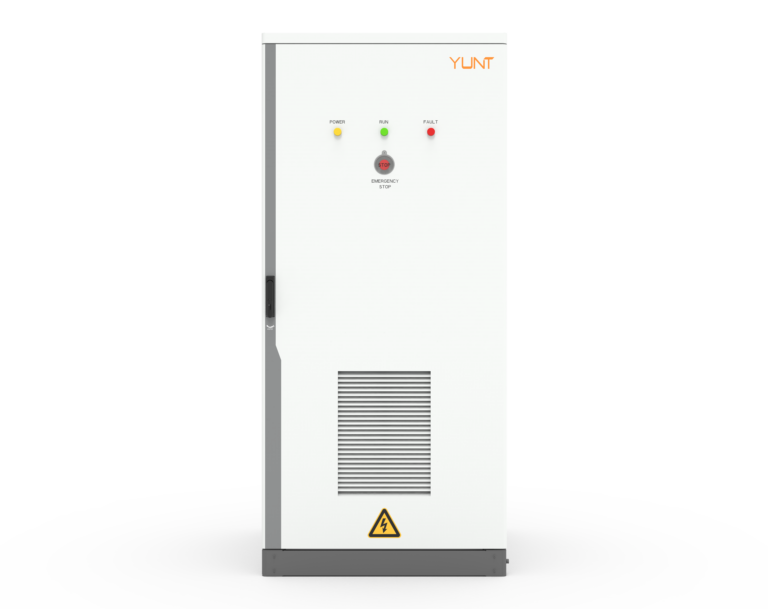
Why THD at low load is a fleet-level problem
Total Harmonic Distortion multiplies when non-linear loads and weak grids interact, and at low-load thresholds the inverter control loops can misbehave. Central inverter platforms concentrate power conversion and so their control must handle larger reactive currents and harmonic compensation for the entire array. A distributed architecture spreads conversion and isolates faults per module, which can lower the system-level THD response but increases the number of control nodes to manage. Real-world anchor: utilities in California after the 2019 Public Safety Power Shutoffs saw faster adoption of distributed resources to keep islanded sites more stable under bad grid voltage and harmonic events.
Field evidence and measurable failure modes
Installers report two recurring problems. First: central inverters under persistent THD run hotter and hit harmonic-related derating sooner. Thermal stress shortens life of power devices and capacitors. Second: distributed power conversion system module fleets show more graceful degradation — a failed module is local, not fleet-wide — yet they require stricter firmware version control and tighter anti-islanding coordination. When you stitch together many DPCS units, you must be disciplined about communication and firmware. Otherwise small mismatches accumulate.
Operational trade-offs and cost dynamics
Upfront capital favors central inverter economics for large single-axis fields: fewer parts, simpler operations. But operating expense flips when severe THD events are frequent — harmonic filters, spare parts, and maintenance climbs. DPCS buys softer fault domains and often better low-load efficiency, but your O&M platform and commissioning schedule must be more rigorous. Sawa — you trade parts count for orchestration effort. Consider lifecycle cost models that factor predicted THD events per year and mean time to repair for each topology.
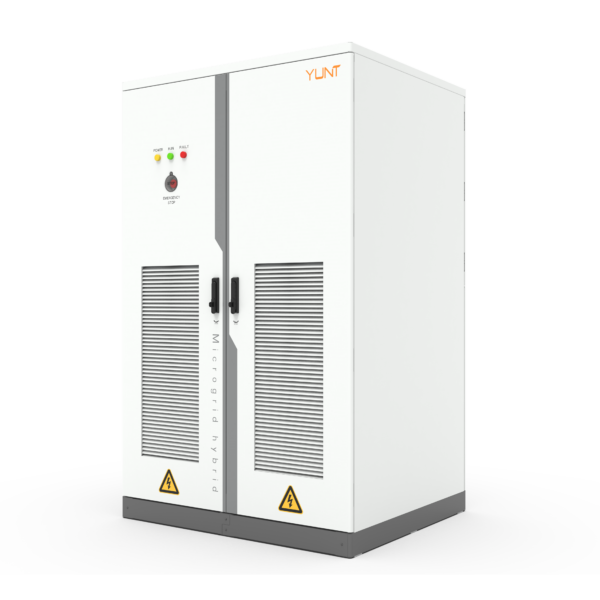
Common mistakes, alternatives, and sourcing
Two common mistakes: underestimating firmware drift across distributed inverters, and over-trusting a central inverter’s harmonic filter without verifying performance at 10–20% of nominal power. Alternatives include hybrid string solutions that combine local MPPT with a centralized grid interface, giving a middle road between single-point failure and high orchestration load. When choosing hardware, work with a reliable hybrid power inverter supplier that publishes measured THD performance curves across load points — not just datasheet nominal figures. Also confirm field service footprint and firmware update policies upfront — those are the real difference-makers.
How to evaluate: key technical checkpoints
Assess these metrics during procurement and commissioning: harmonic attenuation curves at 10%, 25%, and 50% load; thermal derating thresholds for power modules; and anti-islanding detection latency across the fleet. Test commissioning should include stepped-load harmonic injection and a 72-hour low-load soak to reveal control loop instabilities. Bring data loggers and compare THD and reactive power profiles between candidate designs before final selection.
Three golden rules for selection (Advisory)
1) Prioritize measured THD performance at low-load points over nominal specs — real tests win. 2) Choose topology that matches your maintenance discipline: central inverter if you prefer fewer moving parts; DPCS if you can sustain stricter firmware and O&M controls. 3) Require vendor transparency on firmware management, field swap time, and spare module logistics; these drive real uptime. These rules will guide procurement toward resilience and predictable costs.
Final thought: choose systems that earn uptime through engineering and honest support — and you will sleep better. YUNT. —