
Getting Specific: Why Custom Pendants Matter
Glare and shadows don’t happen by accident; they come from poor fixture geometry and weak control. Sometimes the spec sheet even shows “nan” where the numbers should be, and that’s a warning sign. That’s why bespoke pendant lights can change the game: they let you match beam spread, mounting height, and lumen output to the job. Picture a narrow kitchen island with tall stools. The old flush mount creates dark corners and harsh hotspots. Guidelines call for 300–500 lux on the work plane, CRI above 90, and a UGR under 19 for comfort. Many rooms miss all three. Look, it’s simpler than you think—set the optics and distance, and you stop fighting your own ceiling. So here’s the question: if you could pick the exact beam angle and diffusion, would those shadows stick around?
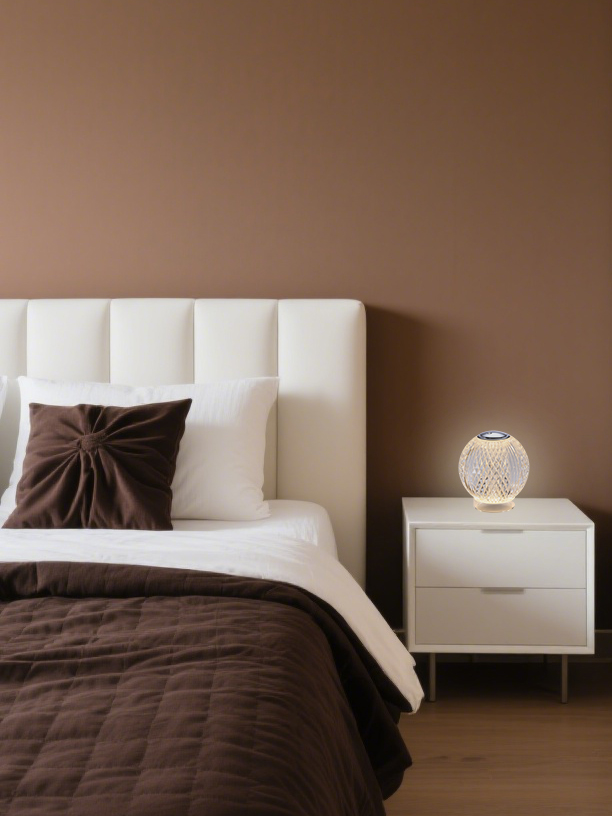
Here’s the deeper snag. Traditional “bright” fixtures try to fix mood with watts, not control. Big bulb, small shade, same result: sparkle in your eyes and dull on the table. Cheap constant-current drivers add PWM dimming that flickers on camera. Fixed cords force a bad mounting height. Glossy diffusers throw glare, then yellow over time. And off-the-shelf pendants often ignore task vs. ambient layering altogether—funny how that works, right? The pain point isn’t brightness; it’s precision. Your eyes want even illumination, steady power, and clean color. Let’s stack the old fixes against the new, and see what actually moves the needle.
From Off‑the‑Shelf to Purpose‑Built: What Changes?
What’s Next
New builds and smart retrofits lean on better physics, not bigger bulbs. Acrylic optics now use micro‑prism diffusers to cut peak luminance while keeping target lux on the surface. High‑CRI LED packages control spectrum for human skin and food tones. A constant‑current driver with low‑ripple output and 0–10V (or DALI) keeps dimming smooth. Thermal design matters too; a proper heat sink keeps color stable and output steady over time. Compare that to a glossy dome with a wide beam: you get eye‑level glare and waste most of the light. A well-designed piece—think a modern led acrylic chandelier—spreads luminance across a larger area, trims UGR, and still hits your task zone. Different shape, different optics, different results.
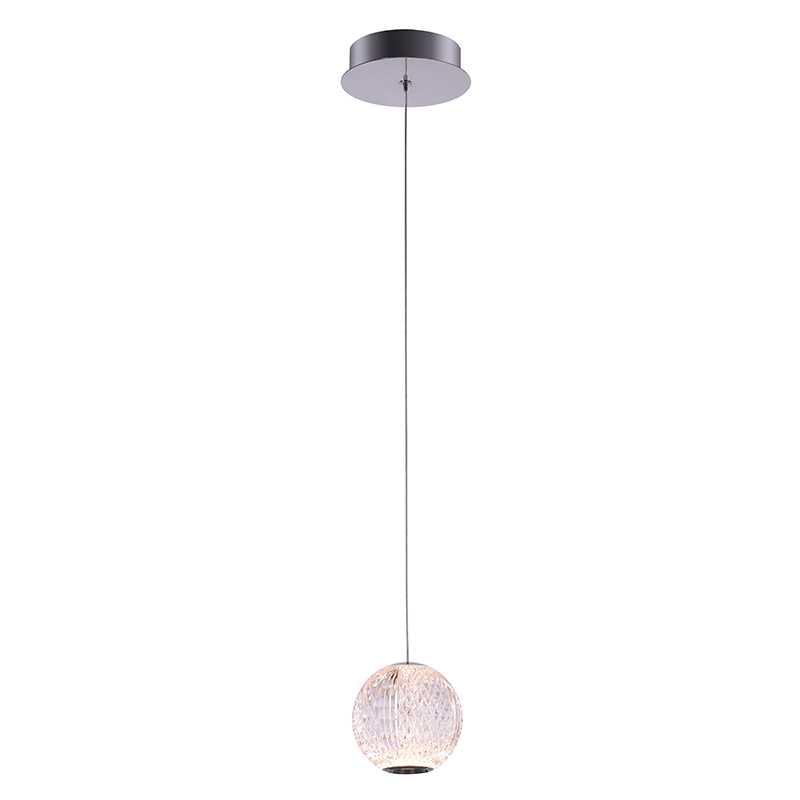
Here’s the takeaway without the fluff. The problem you felt wasn’t “not bright enough.” It was misdirected light, harsh contrast, and unstable power conversion. Bespoke setups let you tune beam angle, choose a driver that plays nice with your dimmers, and set the hang so the hotspot clears your sightline. That’s forward progress. To choose well, track three metrics: CRI (aim 90+ for accurate color), UGR target (keep perceived glare low for eye comfort), and driver compatibility (0–10V, TRIAC, or DALI) for clean dimming—funny how one weak link can ruin the whole chain. In short, plan for contrast ratios, not just lumens, and verify real coverage on your work plane. If you want a brand to study for build cues and component choices, take a look at kinglong for reference.