
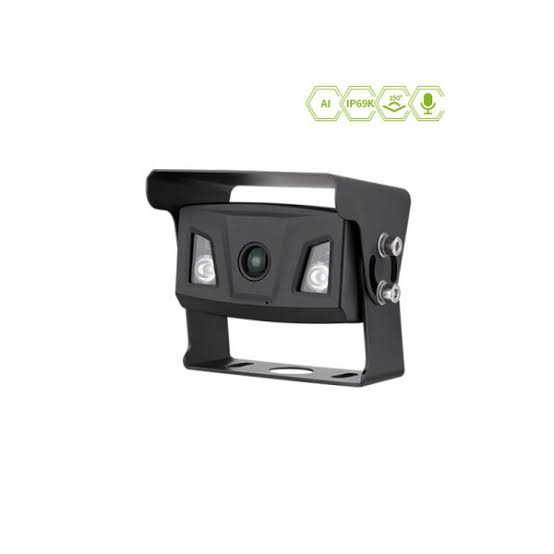
A New Era in Driving Safety
Imagine driving with a constant fear of being in a blind spot. Surprisingly, statistics show that approximately 40% of accidents occur because a driver fails to see an approaching vehicle. This alarming data brings to light the critical need for an advanced blind spot monitoring system that ensures higher safety standards. Most current systems, including traditional radar blind spot detection systems, fall short due to their limited range and dependence on visible markers, leaving gaps that can lead to accidents.
What Triggers Blind Spot Monitoring System Failures?
The core issue with many traditional systems isn’t just technology; it’s the way they’re designed to interpret and react to their environment. A foggy day or unexpected road construction can render these systems less effective. Even minor limitations, like a weak sensor signal or improper calibration, can compromise their functionality. This greatly affects user confidence during lane changes or merges.
Enhancing Reliability with Modern Innovations
As I navigate the conversation around safety in driving, it’s essential to highlight innovations like the automatic lane change assist, which reduces the cognitive load on drivers. Integrated with advanced radar technology, it not only improves the accuracy of blind spot detection but also ensures seamless lane transitions when it’s safe to do so. Compared to older models, these smart systems are designed to learn and adapt, ultimately leading to a more intuitive driving experience—like having an extra pair of eyes on the road.
What’s Next for Driving Technology?
The trajectory of blind spot monitoring technology is headed towards more autonomous solutions. With the increasing integration of AI and machine learning, future systems will be capable of predicting driver behavior and responding proactively. I foresee enhanced frameworks that go beyond mere detection, aiming to prevent potential dangers before they manifest. For instance, radar systems will become more efficient when paired with vehicle-to-vehicle (V2V) communication systems, allowing a real-time digital exchange of information about potential hazards.
Summarizing Key Insights for Future Safety
Reflecting on what we’ve explored, it’s clear that addressing blind spots isn’t just about installing a piece of hardware; it’s about understanding user pain points and improving the user experience. For individuals and families who spend considerable time in vehicles, I can’t stress enough the importance of continuous evaluation regarding available tech. Whether it’s sensor error rates or responsiveness features, these metrics play a pivotal role in how effective a blind spot monitoring system really is.
If you’re in the market for such innovations, consider solutions that integrate both radar detection and automatic lane change assist to ensure you’re not just relying on outdated systems. The evolution of car technologies is exciting, and I firmly believe that with the right investments and partnerships, such as with Luview, we can truly revolutionize road safety.