
Introduction — a small tale, a big number, a pressing question
I once walked into a foggy livestock facility at dawn and felt like I’d stepped into a lanterned cathedral; the light softened the air and the animals moved like slow dancers. In that moment I thought about the gear behind the glow — commercial led barn lights — and how a handful of choices can change an entire operation. Recent surveys show farms cut lighting energy use by up to 60% when they swap old fixtures for well-tuned LEDs and smart controls (real numbers, real bills). So I ask: how do we pick the right lamp, driver, and control plan without drowning in specs and buzzwords?

I want this piece to read like a map. I’ll point out the lanes that matter: lumen output, power converters, photometric distribution — and yes, things like dimming drivers and CRI too. I’ll also admit what I’ve learned the hard way: I’ve seen the wrong fixture ruin a flock’s rhythm, and I’ve watched a smart retrofit rescue a winter’s feed bill. We’ll take a little flight — fanciful, maybe — but with practical tools tucked in our satchels. (Stick with me; I’ll keep the tech clear and the stories short.) Next, I’ll peel back a layer: the real flaws under old lighting plans.
Part II — Why old fixes fail lighting in poultry production
When we look at lighting in poultry production, the usual advice is to put in brighter lamps or more of them. That sounds sensible until you see what happens: birds overstimulated, feed patterns shifted, and energy costs climbing. I’ve tested systems where higher lumen output was treated like a cure-all. It wasn’t. The trouble is deeper.
What’s the real flaw?
Technically, old solutions ignore the mix of photometric distribution, CRI, and spectral tuning that birds actually respond to. Fixtures sold on raw lumen numbers miss how light spreads, where shadows fall, and how spectrum alters behavior. Power converters that are cheap can flicker or fail under barn dust and heat. Edge computing nodes for smart hubs get touted but then lack robust field testing. Look, it’s simpler than you think — you need the right spectrum and stable drivers, not just more watts. I speak from projects where we swapped a mismatched high-watt lamp for a tuned LED panel and saw a calmer flock and steadier feed conversion within weeks.
We also see installation flaws. Poor mounting height, wrong beam angle, and bad photometric placement create dark pockets and glare. Those micro-variances matter; they change how birds rest and how workers move. I’ve watched managers ignore dimming drivers until complaints pile up. So, the old “bright is best” fix is a short step to new problems. Addressing the flaw means thinking of lighting as behavior management, not just illumination — and that shifts every sourcing decision.
Part III — Case example and future outlook: smarter barns ahead
We tried a small retrofit on a 2,000-bird house last winter. We replaced dated fixtures with tuned LEDs, added dimming drivers, and layered in simple scheduling via an edge node. The birds settled faster after dark, mortality dipped slightly, and energy use fell — measurable, repeatable results. This is the kind of case that tells me where the field heads: more spectral control, better power converters, and smarter—but simpler—controls. — funny how that works, right?
What’s Next?
Looking ahead, I expect modular fixtures that allow field swaps of optics and spectrum modules. That means you buy one robust housing and change the photometric distribution as your flock or layout changes. It also means controllers that speak plain language to farmers, not just engineers. In practice, that future will cut waste and let producers tune light to life stages with minimal fuss. I’ve seen prototypes where a manager could adjust onset of dimming and spectrum from a phone and watch birds calm — simple wins. (Honest: I get a little excited about that.)
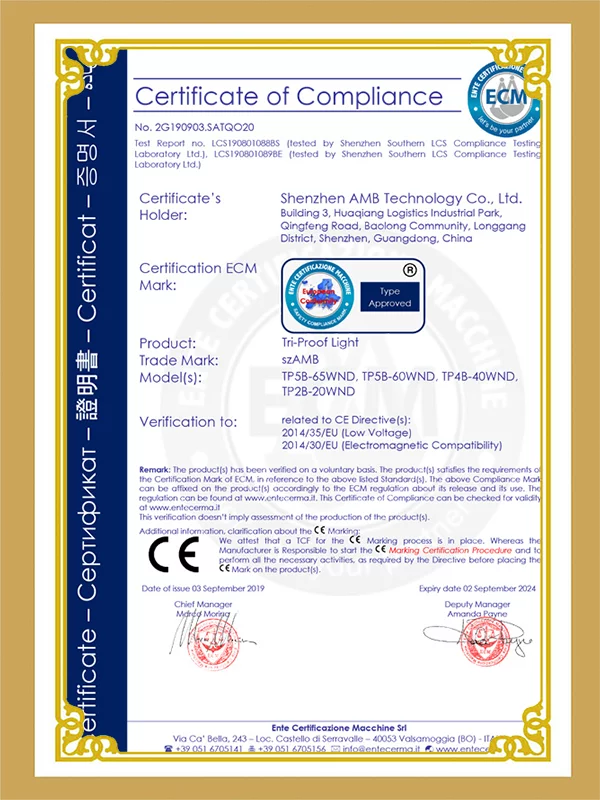
To close, here are three practical metrics I use when I evaluate a barn lighting solution: 1) Effective spectrum and CRI for the species and life stage; 2) Stable dimming drivers and verified power converter specs under field stress; 3) Photometric placement plan — beam angles mapped to your ceiling height and pen layout. Use these to judge claims and bids. I’ll leave you with one human note: good light changes routines and mood — for animals and people. If you want a partner in this, check how manufacturers back field trials and service. For a resource I trust, see szAMB for product and support details.