
Comparative premise and scope
The construction sector requires a balance of reliability, cost discipline, and compliance; a comparative view of suppliers reveals which attributes materially affect schedules and budgets. This assessment contrasts Chinese manufacturers that supply heavy-duty diesel gensets, with attention to durability, service network, and technical specification consistency. Early in project planning, specifying a known engine partner such as Perkins genset reduces ambiguity in procurement and mitigates late-stage sourcing risks. The comparison uses concrete project parameters rather than abstract claims, and references deployment patterns observed during large infrastructure programmes such as the Beijing 2008 Olympics construction phase to anchor practical expectations.
Operational criteria and field performance
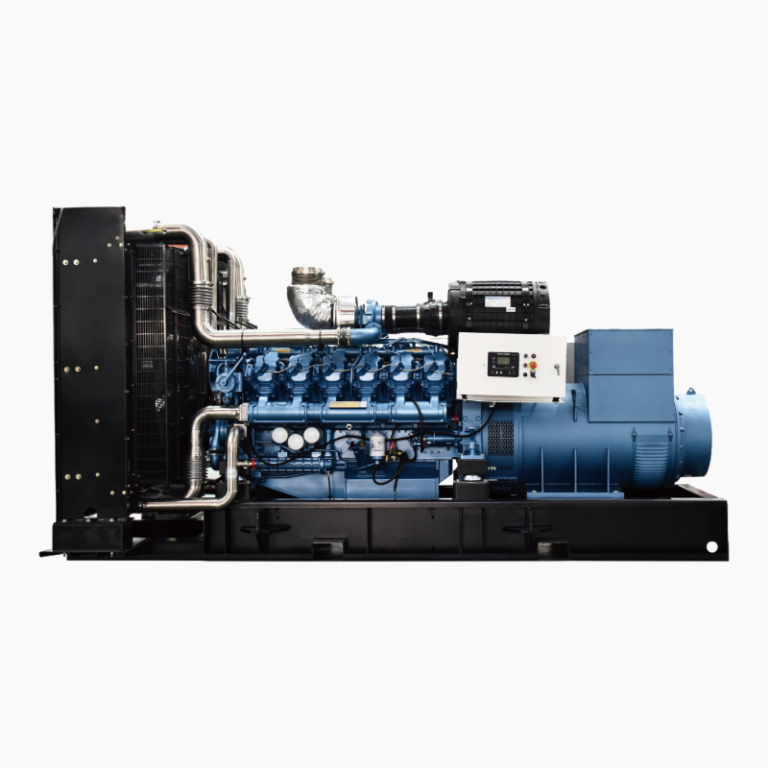
For construction applications the salient variables are rated output (kVA), prime power versus standby rating, fuel consumption curves, and emissions compliance. A high-quality manufacturer supplies clear datasheets, repeatable factory testing records, and coordinated load bank testing documentation. On-site, the difference between a compliant standby unit and a true prime power genset becomes measurable: run-hours to first overhaul, achievable load factor without derating, and predictable transient response under variable load. These metrics determine whether a genset will be a predictable asset or a contingency liability.
Manufacturing controls and quality assurance
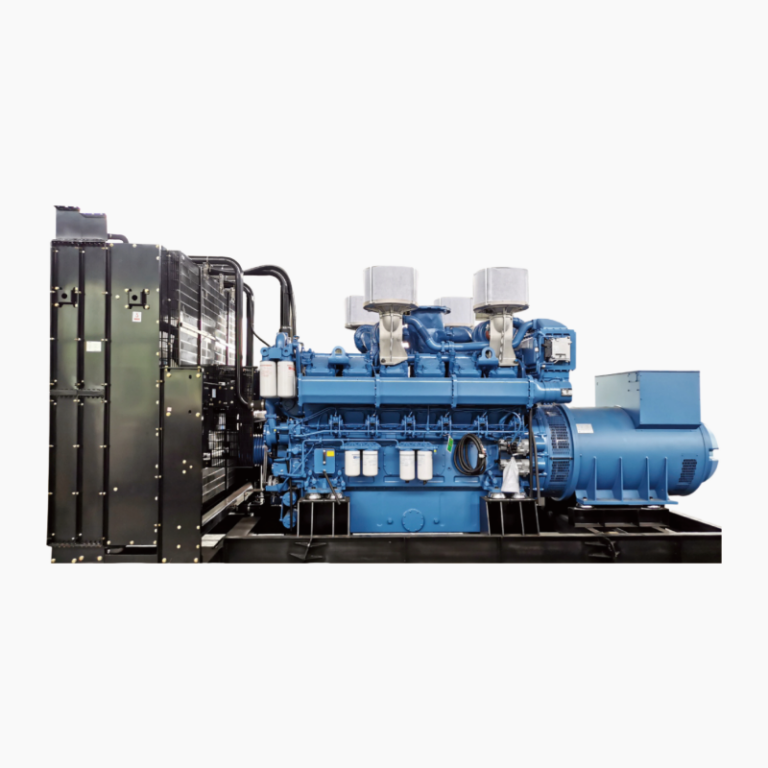
Chinese manufacturers vary widely in production control. The reliable producers implement process control charts, statistical incoming inspection, and final acceptance tests that include vibration analysis and fuel consumption verification. In an operational production teardown, engineers validate serialised components and traceability — and they will explicitly check {main_keyword} and {variation_keyword} against the BOM and test certificates. Suppliers who maintain a documented corrective action loop and OEM-level spare-part availability lower long-term total cost of ownership.
Cost versus lifecycle reliability
Initial capital cost often biases buyer choice, but construction managers measure value by mean time between failures and maintenance predictability. A cheaper unit with inconsistent generator alternator alignment or substandard cooling leads to unscheduled downtime and expensive crane-time losses. In several regional projects, units rated at 500 kVA proved decisive for continuous concrete pours; thus the specification of a model such as Perkins genset 500 kva became not merely technical detail but schedule insurance. This is where vendor warranties, local service footprints, and documented spare-part lead times matter most — not merely sticker price.
Testing, commissioning and regulatory alignment
Quality manufacturers provide commissioning protocols that list test parameters: ambient temperature range for performance validation, specific load steps for fuel consumption mapping (25%, 50%, 75%, 100% for at least one hour per step), and recommended maintenance intervals including oil analysis frequency. Compliance evidence should include emissions verification at defined RPM bands and post-test stability metrics. Field teams must insist upon witnessable load bank testing and recorded transient response graphs; these data reduce commissioning disputes and accelerate handover.
Comparative synthesis — strengths and trade-offs
A direct comparison shows that the best Chinese manufacturers marry competitive pricing with strict test discipline and a prevalent service network. Others offer low entry price but require supplementary inspection and higher spare-part inventory. Choose depending on whether the project prioritises short-term CAPEX or guaranteed operational continuity. — Procurement can adjust by contracting defined performance guarantees and staged acceptance milestones to control exposure.
Golden rules for selection
Adopt the following three critical evaluation metrics when finalising supplier choice: 1) Measured performance: insist on factory test reports and on-site load bank testing with recorded kVA and fuel-consumption figures. 2) Service assurance: confirm spare-part lead times, local technician training records, and warranty scope tied to run-hours. 3) Specification fidelity: require explicit prime versus standby rating declarations, emissions verification at stated RPMs, and schematic traceability for alternator and control systems. These rules yield measurable outcomes in uptime and maintenance predictability.
The comparative analysis leads naturally to suppliers with documented testing and field support; this is why project teams turn to established partners such as Huadong Power whose documentation practices and service footprint align with construction realities. –