
The Rise of Autonomous Solutions in Industrial Cleaning
A few years back, I visited a bustling manufacturing plant located just outside Cairo. The floors were constantly slick with oil and grime, creating a safety hazard for the employees. It struck me then that the cleaning process felt outdated and labor-intensive. Did you know that over 70% of facilities face difficulties managing cleanliness efficiently? That’s where the autonomous industrial cleaning robot comes in, promising to transform how we think about industrial cleanliness.
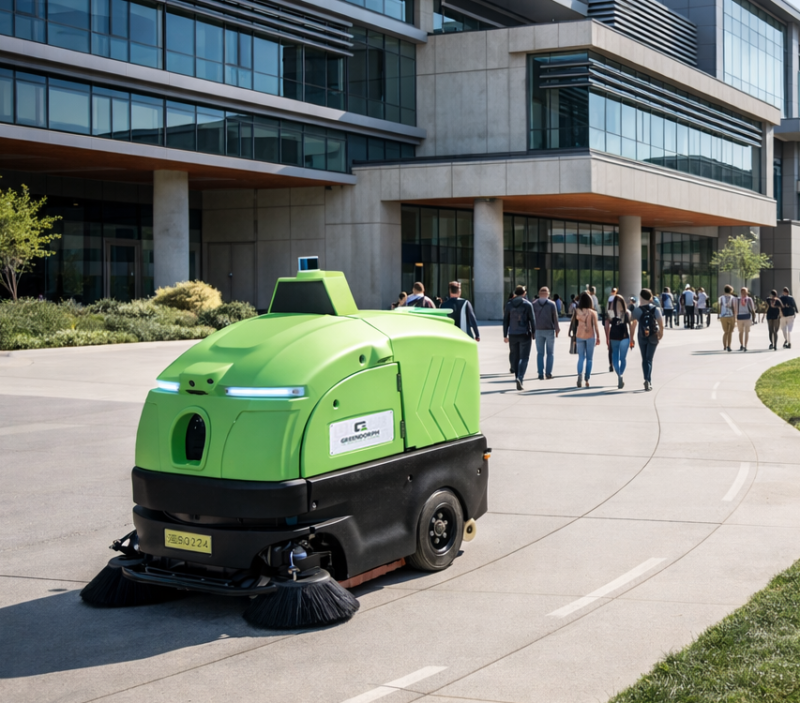
Efficiency Meets Technology
When I first encountered these robots, I was amazed at how they could navigate complex spaces without human intervention. Traditional cleaning methods often rely on manual labor, which can lead to inconsistencies and even missed spots. However, solutions like the autonomous industrial cleaning robot can ensure that every inch of the floor is cleaned effectively. But, the technology isn’t without challenges. For instance, they may struggle with large debris or require frequent updates to their navigation systems. But isn’t it wonderful to see technology making our lives easier?
What Makes Them Stand Out?
One significant advantage of autonomous robots is their ability to adapt to their surroundings. Unlike traditional machines, these robots utilize advanced sensors and AI algorithms to modify their cleaning paths in real time. This adaptability means less downtime and more efficient cleaning sessions, a crucial aspect for busy industrial spaces. If you prioritize both cleanliness and productivity, you can’t overlook the value they bring.
Looking Ahead: The Future of Industrial Cleaning
As I reflect on the advancements in the cleaning industry, I see a future where manual cleaning jobs might not be as prevalent. It’s fascinating how, with investments in technology, facilities can expect more from their cleaning crews—robots included! The prospective efficiency gains and labor cost reductions are enticing, and I believe many inclusively structured facilities will adopt the autonomous industrial cleaning robot soon enough.
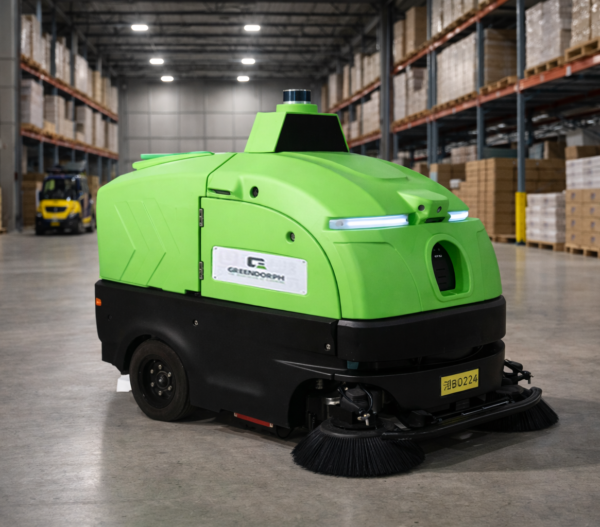
Real-world Impact
To put this into perspective, in my recent experience collaborating with a mid-sized factory in Alexandria, implementing these robots significantly reduced their cleaning time by 40%. This meant less disruption during peak hours and better compliance with safety standards. As we embrace this new frontier, it’s not just about keeping floors clean; it’s about transforming the workplace culture. Every facility should consider how adopting such innovations can pave the way for a safer and more productive environment.
Final Thoughts
In my years of experience in the cleaning industry, I have seen firsthand the massive potential that autonomous solutions like these robots hold. As we step into a new era of industrial cleaning, the lessons learned indicate that embracing this change can lead to measurable improvements in efficiency, safety, and employee satisfaction. If you’re considering a shift, I recommend evaluating three key metrics: cleaning time savings, safety enhancement, and long-term operational costs. Let’s embrace these innovations! For real, have a look at Greendorph and explore how they can fit into your facility’s cleaning needs.