
Setting the Scene: Why Clarity Still Slips in Multilingual Rooms
Define the core first: an interpretation chain turns speech into shared understanding, in real time, across languages. In many halls, the interpretation system must carry that weight with calm exactness. Today, a modern interpretation system for multilingual meetings is called to serve boards, councils, and global teams who demand zero guesswork and low delay. Picture a city council chamber at 9 a.m., five languages in play, and a tight vote at noon. In audits of large events, organizers often record that nearly half of delays come from audio flow faults or channel missteps—small leaks that become floods. When a delegate pauses and repeats a term twice, the room loses seconds; over a day, those seconds become hours. Will better gear alone repair this gap, or must workflows shift as well (and soon)?

We pursue this question with a comparative eye, across old and new setups. The lens is practical, with attention to DSP latency, RF channels, and audio codec choices. The goal is clear: find where clarity falls, and where it can be held steady. Let us move to the deeper layer—where the usual fixes show their limits—and then we will look ahead to what changes the curve.
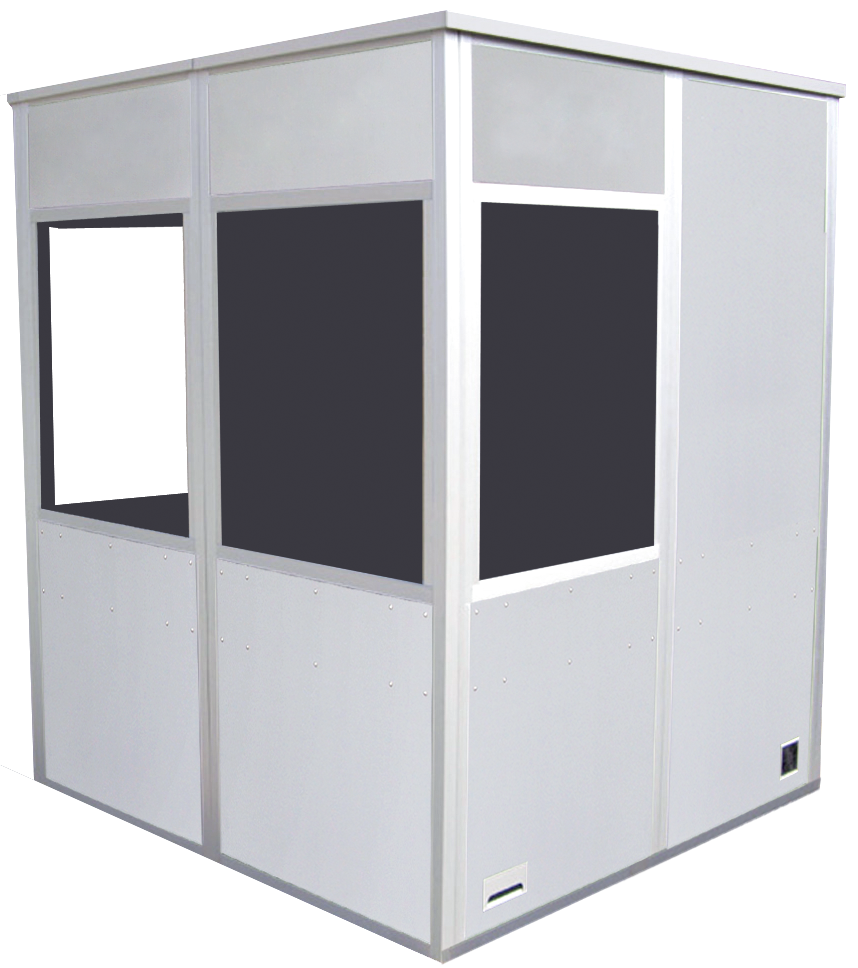
Under the Hood: The Hidden Frictions That Break Flow
Why do legacy setups still trip us up?
Legacy booths often rely on a patchwork: analog mixers, ad‑hoc recorders, and shared cabling that rides with HVAC noise. It works—until it does not. Traditional fixes chase surface issues: “raise gain,” “switch channel,” “reset the router.” But the deeper pain points hide in handoffs. Interpreters need clean floor audio, stable return, and steady timing. If DSP latency drifts by even tens of milliseconds, note-taking and memory cues miss their mark. If infrared radiators are mis-aimed, a whole row drops to silence. And when RF channels collide with house mics, you get combing and hiss that no compressor can heal—funny how that works, right?
Look, it’s simpler than you think, yet sharper than it seems. The crowd assumes words failed; in truth, it is usually the path the sound takes. Old systems lack quick fault isolation, so engineers hunt blind during live sessions. Channel labeling is inconsistent. Backup power converters sit in a closet, not near the rack. Interpreters signal issues by hand gestures, not by console alerts. All this adds cognitive load when seconds matter. A well-tuned chain fixes upstream elements first: clean floor capture, stable bus routing, predictable codec, and clear return to the booth. Miss any one of these, and the best linguist cannot save the day.
Comparative Moves: Principles That Lift the Entire Chain
What’s Next
Next‑gen rooms shift from patchwork to principles. Start with deterministic timing. Use end‑to‑end clocking so DSP latency does not drift across devices. Add smart health checks at ingress and egress, so a booth knows if its return feed is within spec. Where possible, segment RF channels for assistive listening, and keep interpreter return on shielded paths (balanced XLR or AES67, not a mystery 3.5 mm run). Edge computing nodes near the booth can pre-mix floor and relay feeds, reducing network jitter. Compared to legacy layouts, this reduces fault hunt time because your meters and logs tell a story—no guesswork. For systems planning large summits, a simultaneous interpretation system that integrates routing, monitoring, and alerting into one surface avoids the swivel-chair problem—and yes, it scales.
Now draw the contrast. Old rooms reacted; modern rooms predict. Redundant power supplies sit on the same rail as the core switch, so failover is smooth. Infrared distribution is mapped to sightlines, not “best effort.” Audio codec choices are matched to room use: low bit‑rate for overflow, higher fidelity for recording. The result is not only clearer sound; it is calmer people. Interpreters keep rhythm. Delegates keep trust. And operators get time back for actual stewardship. Summed up: fix timing, reveal state, and simplify handoffs. Those three moves, together, cut dropouts and shorten recovery when they do occur—because even perfect rooms face surprises.
Before we close, a brief, practical frame for selection—advisory in tone. First, measure timing discipline: can the platform hold a stable end‑to‑end latency under load, and can you see it? Second, check operational visibility: are channel maps, fault alerts, and logs unified and human‑readable during live sessions? Third, verify resilience: power, paths, and people, with documented failover for each. Choose by these metrics, and your system will serve words, not fight them—funny how that works, right? For many teams, the path forward begins with a careful trial and a calm debrief, then a measured rollout anchored in these same principles. Learn, compare, refine, repeat. TAIDEN