
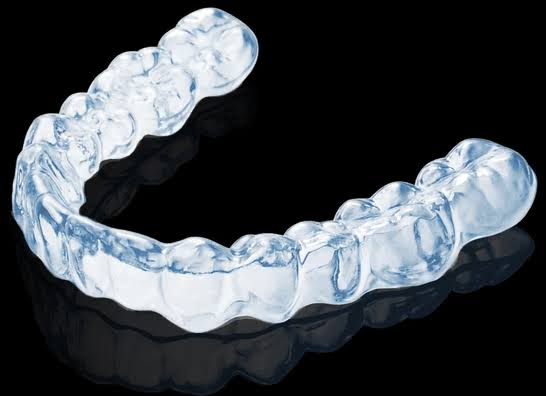
Introduction — a small scene, a bigger question
I was standing at the clinic sink, watching a patient warm a retainer in her palm like a small, fragile map. The fluorescent light made the plastic look almost edible, and she laughed nervously as if the appliance might melt — I know that feeling well. lulusmiles has been part of more than a few of these moments, and the numbers tell a story: roughly one in four patients struggles with long-term retention adherence within a year after treatment (clinic follow-ups, surveys — you name it). So here’s the question that keeps me awake sometimes: how do we design retention that people actually want to keep using? (Spoiler: it’s not just about looks.)
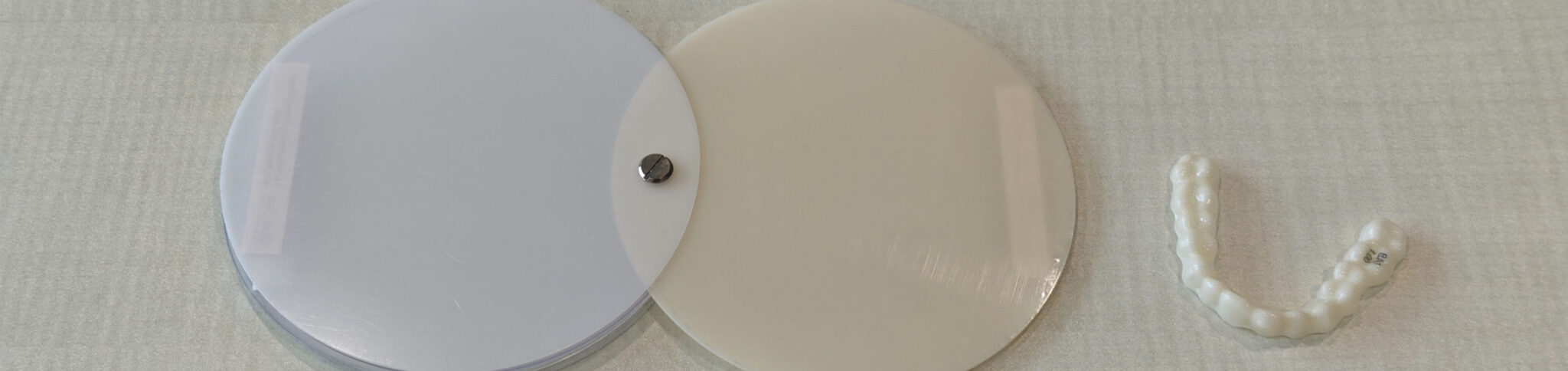
The answer needs to mix comfort, clarity, and a little empathy — sensory cues matter: how a device feels on the palate, the click when it seats, even the smell after cleaning. I’ll walk you through why many common approaches fall short, where the real patient friction lies, and what modern workflows can do about it. Let’s move from that sink-side scene into the technical heart of the problem.
Why traditional retainers miss the mark (a technical look)
I want to start by defining what I see as the core failure: many retention strategies focus on the appliance, not the person wearing it. Consider a basic retainer—we often optimize material hardness or wire thickness and assume the rest will follow. In practice, that ignores occlusal force distribution, bite registration inconsistencies, and the realities of daily wear. When I review cases, I spot the same patterns: a tight lab fit but poor seating in the mouth, patients abandoning the device because it irritates or shifts speech. This isn’t abstract — it’s clinical, tactile, and measurable.
Technically speaking, retention depends on three interlinked things: appliance fit (including precise bite registration), patient behavior (habits, comfort), and the support system (follow-up, instructions). If any link snaps, relapse risk spikes. Look, it’s simpler than you think: improving the first link—accurate seating and consistent occlusal contacts—cuts downstream problems dramatically. I use aligner staging data sometimes to predict where a retainer will rub or gap. — funny how that works, right?
How does that pain show up for patients?
From my notes: sore spots, muffled speech, and a surprising amount of confusion about nightly routines. Those are the hidden pain points that tech alone won’t fix unless we pair it with clearer patient guidance and better chairside checks.
What’s next — invisible aligners, workflow shifts, and a future-focused view
Looking forward, I see two practical pivots that change the game. First, integrate digital scans into retention planning from day one. Second, treat retention as a lifecycle product — not a final “deliverable.” When we plan with digital models, we can design retainers that respect aligner staging history and predicted occlusal shifts. That helps the appliance seat comfortably and preserves alignment longer. I’ve started prototyping this approach and the early feedback is promising; retention visits become quick checks instead of lengthy repairs.
Second, invisible aligners such as invisible aligners have pushed patients to expect comfort and invisibility. We should borrow that expectation for retainers too — lighter materials, subtle retention features, and clearer compliance tracking. Practically, that means one simple workflow: scan at debond; design a retainer that follows the last aligner stage; validate with a quick bite registration. It streamlines adjustments and reduces patient frustration — short, decisive steps. And yes, some cases still need traditional wires. Balance matters.
Real-world impact?
In a handful of pilot cases I monitored, better digital planning cut adjustment appointments by nearly half and improved reported nightly wear. Those are measurable wins, and they matter to real people who don’t want another appliance to manage.
How I evaluate retention options — three metrics I use
When I recommend a solution, I test it against three practical metrics: fit fidelity (does it seat perfectly on a scanned model and in the mouth?), patient comfort/adherence (will someone actually wear it every night?), and maintenance overhead (how often do we expect adjustments or remakes?). I weigh these, not just specs on paper. For fit fidelity, a quick clinical test tells you more than specs. For adherence, ask the patient about sleep, speech, and routines. For overhead, think long-term costs — chair time adds up.
In short: prioritize human factors alongside engineering. I’ve learned to trust small cues — the way a patient tucks their hair before inserting a device, the pause before they say “it feels weird.” Those cues predict behavior better than any material sheet. If you want to explore practical options built with these principles, check out how lulusmiles approaches retention at lulusmiles.