
Introduction — A Wee Story, A Few Numbers, and a Question
I once sat by a peat fire thinking how many of us chase simple fixes for stubborn aches — a warm lamp, a patch of light, a hopeful purchase. I’ve been testing kits and setups for years, and I see patterns. Advanced red light technology is no longer a novelty; it’s a tool people trust for recovery and sleep. Recent user surveys I read show around 58% of buyers expect noticeable change inside a month — yet half stop using devices within six weeks. So why do promising devices fail to stick? (Aye, it’s a proper puzzle.)
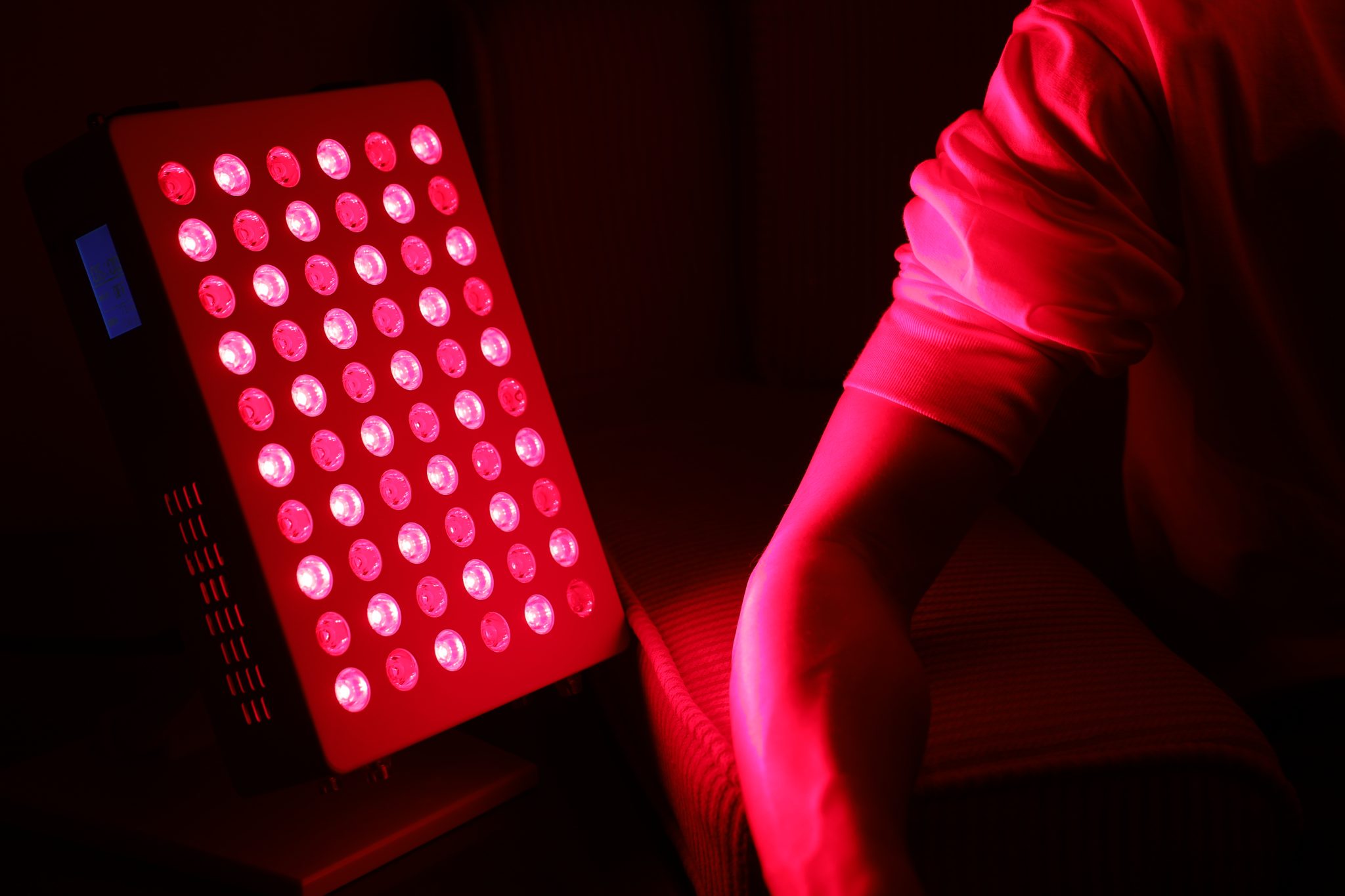
I’ll be plain: I care about practical results. I want to share what I’ve learned — straight talk from someone who’s fiddled with LED arrays, checked irradiance, and swapped power converters at odd hours. My aim here is to guide you through what matters and what doesn’t. Let’s turn that question into a practical path forward — and see what really improves outcomes.
Where Red Light Beds Often Fall Short
red light technology bed — the phrase sounds promising, but I’ve seen many designs that look good on paper and limp in practice. Let me get technical for a moment: poor heat management, weak irradiance, and mismatched wavelengths can blunt benefits. Manufacturers sometimes skimp on proper drivers or use cheap power converters; that saves cost but costs you time and effect. Look, it’s simpler than you think — quality matters in the parts you can’t see.
What’s the real pain here?
Users tell me the same things: sessions that don’t feel different, uneven coverage, and complicated timers. Those are surface complaints. Below that lie hidden pains — devices that force awkward positioning, hubs that lag because they lack edge computing nodes for local control, and bulbs that age fast because thermal paths are poor. I’ve taken apart a few beds — honest work — and found flimsy mounting for LED strips and underpowered thermal pads. When you pay for a bed, you should get steady irradiance over the array and a unit that stays cool. If not, you’ll stop using it. — funny how that works, right?

Principles for Better Red Light Solutions — What Comes Next
Now I look forward. If we accept that many beds fail due to build and control issues, then the fix is straightforward: better engineering, clearer specs, and honest tests. New designs should favor consistent wavelength choices, robust drivers, and heat sinks sized for the LED arrays they serve. A good red light technology bed must balance irradiance and comfort — not one at the expense of the other. I believe that clear specs win trust; vague claims do not.
What’s Next?
Here’s where I get practical. I recommend three simple metrics when you judge a system: measured irradiance at use distance, verified wavelength output, and thermal performance under continuous run. Check for real test numbers, not marketing blurbs. Also watch for smart control that keeps intensity steady — edge computing nodes help here. If a product lists its power converters and driver specs, that’s a good sign. If it hides them, be wary. I’ve seen units that promise long life but fail after a few months of steady use — and that’s frustrating. — you’ll want a bed that endures.
To close, I’ll offer three clear evaluation metrics you can use right away: 1) Irradiance (mW/cm²) at the distance you’ll use most; 2) Wavelength accuracy — are they in the 630–660 nm or 810–850 nm ranges as claimed; 3) Thermal stability — how hot does the unit get in a 20–30 minute session? Use these, and you’ll pick a system that stays in your routine. I’ve trusted a few makers who met those marks, and I tell you honestly — the difference shows in how often people keep using their gear. For reliable sources and thoughtful engineering, check brands like Magique Power.