
The Everyday Choice, By the Numbers, And the One Question That Matters
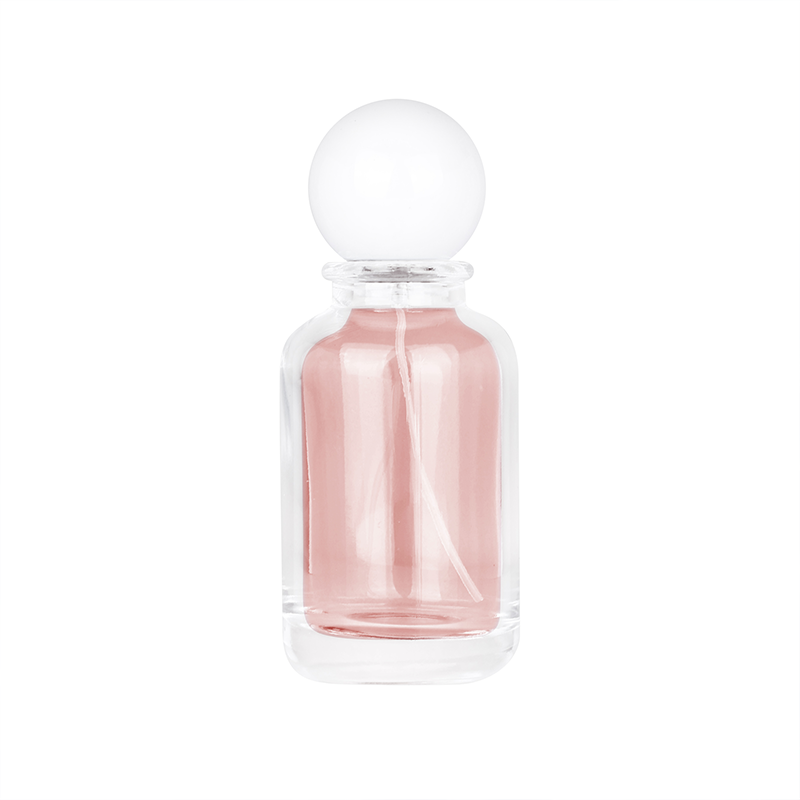
I was in a hotel lobby watching a traveler switch scents before a meeting, and it hit me how tiny choices shape how we feel out in the world. The round perfume bottle is one of those small choices that sticks with you—on a dresser, in a bag, in a quick morning rush. Surveys say most people decide by the package more than the notes, and the 30 ml size is the sweet spot for carry-on life. If you’ve ever compared a generic mini with a 30ml round perfume bottle, you’ve probably felt the difference in hand feel, balance, and control (yes, even the way it sits on a sink edge). So here’s the question: are we optimizing for look, or for the spray we actually use each day? Let’s dig in—without the fluff—and find where the real wins live.
Hidden Pain Points the 30ml Round Form Can Actually Solve
Where do leaks really start?
Let’s get technical for a second. Most complaints aren’t about the juice; they’re about the interface: the neck finish, the crimp collar, and the atomizer orifice. The round profile helps keep wall thickness uniform, which reduces stress points during annealing and transport. That’s not trivia. It’s why a bottle survives a drop test or doesn’t. Look, it’s simpler than you think: consistent geometry means better sealing torque and less micro-leakage around the gasket. In other words, fewer “mystery evaporations” in your bag. And when the orifice size matches viscosity and headspace, atomization stabilizes—fewer wet spots, more fine mist. That’s real usability.
Traditional fixes focus on stronger caps or heavier glass. But weight isn’t control. The actual failure mode is often tolerance stack-up across the sprayer crimp, collar height, and pump stroke length—funny how that works, right? The 30 ml round format reduces variance across those interfaces. It also plays nice with standard decoration—UV coating, frosting, and screen printing—without warping around corners. Result: your label doesn’t feather, the collar seats clean, and the spray feels consistent from bottle one to bottle thirty. Technical, yes. But it’s the difference between “nice bottle” and “I trust this every day.”
Comparative Insight: How New Principles and Better Sources Change the Game
What’s Next
Forward-looking design isn’t about making the bottle thicker; it’s about controlling the system. Newer pumps use tighter orifice tolerances and improved spring stability, which keep droplet size consistent as the fill level drops. Round geometry supports that by reducing side-load on the pump stem during use—small, but measurable. Meanwhile, suppliers are pairing flint glass with better annealing curves to limit internal stress, so the neck finish stays true and the crimp collar doesn’t creep over time. That’s the principle: stabilize interfaces, not just parts. When you source from a seasoned partner—say, a proven china round perfume bottle supplier—you’re not buying a bottle; you’re buying process control: QC sampling plans, variance tracking, and repeatable fit across lots.
Real-world outcomes? A brand that moved from a square 25 ml to a 30 ml round profile cut complaint tickets by half and reduced filling rejects by 18%—mostly from fewer mis-crimps and better pump seating. The feel improved too: balanced center of gravity, cleaner finger travel, and a finer plume. Different vibe, better metrics. If you’re choosing your next format, use three checks: 1) Interface integrity—neck finish flatness, crimp consistency, and seal recovery after five cycles; 2) Spray quality—plume angle, orifice wear, and average droplet size at 25%, 50%, and 75% fill; 3) Durability—wall thickness uniformity and post-deco adhesion after hot/cold conditioning. Do that, and your small bottle becomes a system that just works—day after day. Which makes daily life easier than we let on. And a bit nicer, too—because details carry us farther than we think. NAVI Packaging