
Understanding the Importance of Roller Tracks
Picture this: you’re attempting to streamline your warehouse operations, but the existing loading system is impeding efficiency. With a staggering 30% of logistics costs tied to handling inefficiencies, it’s no surprise that a well-implemented roller track system can make all the difference. How can we ensure our roller tracks facilitate seamless movement of goods, ultimately increasing productivity and reducing delays?
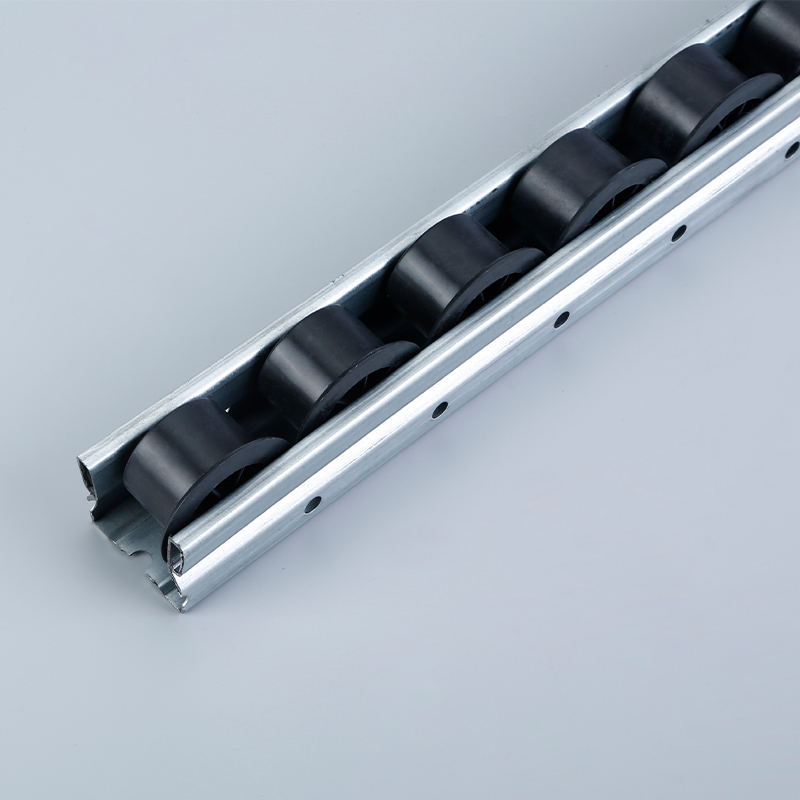
The Traditional Flaws in Roller Track Systems
I vividly recall a project where my team faced unexpected bottlenecks due to subpar roller tracks. The traditional designs often fail to accommodate differing package sizes, making compatibility an ongoing challenge. Additionally, the lack of flexibility in moving heavy or awkwardly shaped items caused frustration among staff. These flaws not only hinder operations but also escalate operational costs over time.
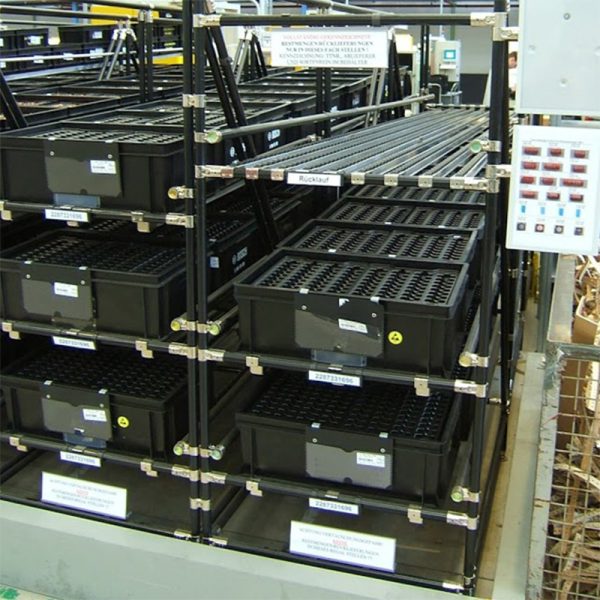
Why Are Roller Track Systems Crucial?
In a world competitive as ours, roller track systems are essential for ensuring rapid and efficient material transfer. When we streamline this process, we can reduce downtime dramatically. This robust use of technology is not just a nice-to-have; it’s increasingly becoming a must-have in modern logistics.
What Lies Ahead: Innovations in Roller Track Technology
As I look toward the future, the landscape of roller track systems is evolving. Companies are now integrating advanced sensors and automation technologies, heralding a new era for material handling. The future demands that the roller track system be smart – enabling predictive maintenance and adapting to real-time operational needs. Isn’t that exciting?
How Can We Enhance Our Systems?
To ensure that your roller track system survives in a dynamic environment, consider prioritizing scalability and modular designs. Keep in mind that rapid adjustments to incoming inventory are crucial for maintaining workflow. My experience tells me that decisions made now regarding efficient load handling and adaptability can yield compounding returns down the line, ultimately driving profitability.
Summarizing the Path Forward
In my years of working in logistics, I have learned that even simple adjustments to roller track systems can lead to significant improvements in efficiency. Key evaluation metrics you should keep an eye on include load capacity, adaptability to product variants, and maintenance demand. Recognizing these factors can illuminate the decision-making process. Remember, it’s all about improving life on the ground—making operations as smooth and effective as possible.
Intriguingly enough, these upgrades could turn long-standing inefficiencies into optimized operations, ultimately transforming not just the warehouse but the business as a whole. Committing to smarter technology and adaptable systems today will only pay off in the longer term. For further exploration into innovative solutions, check out JunYi. Driving improvement in roller track systems is not just about a singular choice today; it’s the foundation for a thriving logistics operation tomorrow.