
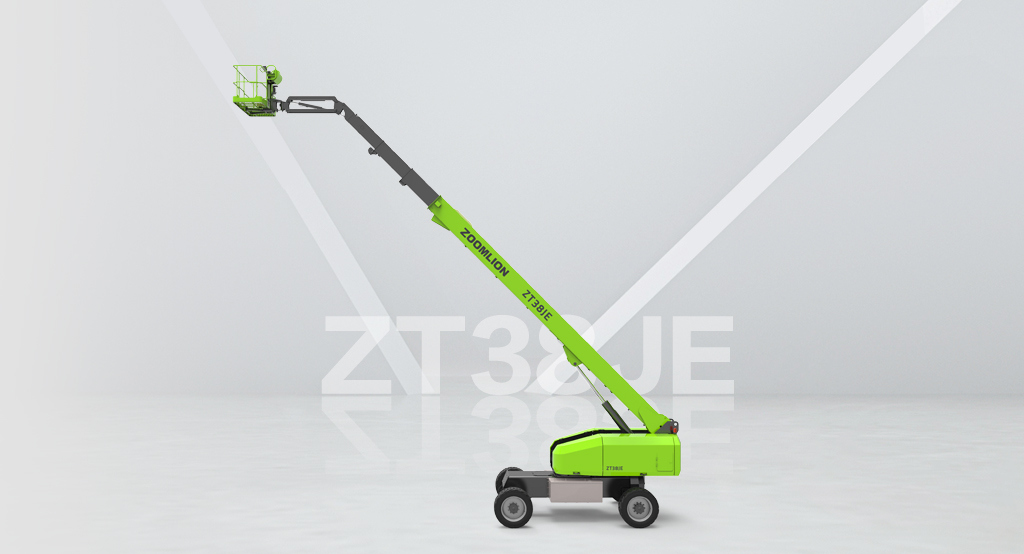
Introduction: A Clearer Way to Work at Height
Here’s a simple truth: height work is a system, not a stunt. Telescopic Boom Lifts bring reach, control, and safer motion into one plan. Picture a crew swapping lights above a stadium gate after hours. The clock is ticking, the wind picks up, and the access path is tight. On many sites, planners note 15–20 minutes lost each time the unit is repositioned; add a tricky load chart and uneven grade, and the slip risk grows. Now ask yourself: are we choosing gear for real site variables, or for a guess?
In practice, control beats guesswork. A good lift balances outreach, platform stability, and duty cycle. The slew ring, hydraulic circuit, and proportional controls all play a part. When they sync, you move less and finish more (and tempers stay cool). As a parent would say: plan the path, then pick the tool. Direct, calm, and consistent. Look at how teams that treat height work as a repeatable process avoid chaotic stops—funny how that works, right? The question is not “How high?” It’s “How predictable?” Let’s unpack the hidden gaps that block that predictability—and see what to do next.
Hidden Snags with Traditional Fixes
What’s the real snag?
If you are scanning for a telescopic boom lift for sale, you’re likely comparing it to ladders, scaffolds, or a mixed fleet. The flaw is subtle: those “good enough” solutions demand constant micro-adjustments. Each move adds swing radius risk and steals time. When a job swings from one angle to another, crews often overreach, then reset, then try again. That churn raises fatigue. It also makes it easy to miss the limits on the load chart. Add gusty wind or a tight corner, and you’re juggling safety with speed. You should not have to choose.
Look, it’s simpler than you think. Pain points hide in controls and context. Without responsive proportional control, the basket jerks when you need a slow creep. Without a reliable torque limiter, you chase alarms. Without anti-entrapment, you hesitate under beams. And without telematics, you guess at duty cycle and battery health. The net effect? Work stalls. People get anxious. And the punch list lingers. A well-matched telescopic unit reduces resets, keeps arcing motion predictable, and takes strain off the crew. It’s not about bells and whistles. It’s about fewer stops and cleaner lines.
Forward-Looking Moves: Principles That Actually Save Time
What’s Next
From a technical lens, three shifts change the math. First, smarter power management. Modern inverters and power converters regulate flow so you get smooth boom speed even at low throttle. That keeps platform deflection stable while you feather the controls. Second, integrated CAN bus diagnostics feed live data to the ground station—duty cycle, tilt, fault codes—so downtime drops. Third, telematics acts like edge computing nodes on the machine: it flags misuse patterns, geofences high-risk zones, and informs training before the next shift. Pair those with refined outreach geometry, and you spend more time at the workface and less time repositioning. For long corridors or facade lines, this is gold.
Comparatively, modern Straight Boom Lifts now blend that tech with lighter chassis design and better gradeability. The result is fewer site constraints and safer approaches—especially where swing radius is tight and repeat arcs are the norm. Think of it as building a habit: steady speed, clean angles, measured loads. That’s kinder for crews and kinder for schedules. Advisory close-out: use three clear metrics when choosing your next solution—1) outreach-to-footprint ratio (how far you can reach before you must move), 2) control fidelity at crawl speeds (how smooth proportional control is under load), and 3) lifetime cost per productive hour (energy, service, and unplanned stops). Set those, and the “make-do” options fall away—because they can’t meet them, plain and simple. For balanced, data-first choices, keep an eye on brands investing in these principles like Zoomlion Access.