
Introduction — a short scene, a few facts, and a question
I’ve stood beside a bench where a laser marked serial numbers until my eyes watered and I thought, “This can’t be normal.” In that very moment the workshop’s small fan and a dodgy local exhaust system made it clear: a proper laser marking fume extractor was overdue. Recent measurements show particulate spikes during marking runs that can exceed safe limits within minutes (I’ve seen readings jump 3–5× in under ten minutes). What does that mean for staff, for yield, and for long-term equipment life? As someone who’s dusted off more than one machine and argued for better extraction, I want to walk you through what actually goes wrong and what to look for next — so you avoid the same mistakes I made. Now let’s unpack where most systems fall short and why simply adding a fan rarely solves the problem.
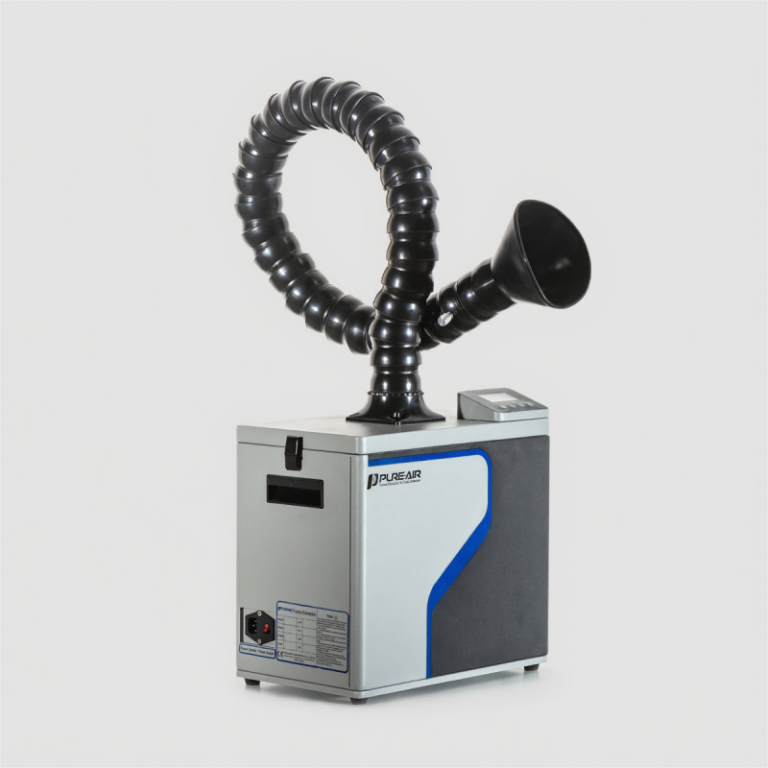
Why conventional fixes fail: the hidden flaws of old-school extraction
When teams first tackle welding, engraving or laser marking smoke they often turn to quick fixes. A local fume hood, a generic shop vac, or an in-line fan can seem to do the job — at first. But these stopgap solutions ignore key factors like filter type, capture velocity, and contaminant chemistry. I’ll be blunt: many shop owners underestimate the role of proper filtration media. For example, simple particle filters won’t adsorb VOCs or odours from polymer ablation; you need activated carbon stages or specialised sorbents. Also, standard fans cannot maintain stable capture velocity across varied process loads; that’s where a measured approach to airflow and power converters becomes essential. (Look, it’s simpler than you think when you break it down).
What’s commonly missed?
Most systems lack modular maintenance plans. Filters clog, sensors drift, and—funny how that works, right?—people assume the unit still protects them. There’s also insufficient attention to placement: a capture arm five centimetres off the bead will leak plumes. Add to that the absence of real-time monitoring — edge computing nodes that report pressure drops and particulate counts — and you have blind spots that amplify exposure. I’ve audited setups where the extraction ducting had sharp bends and improper seals; those create back pressure and reduce effective CADR. The sum of these small errors is persistent exposure and reduced equipment lifespan. If you’re evaluating systems, don’t accept vague specs; demand test data, spare-part plans, and clear maintenance intervals.
New principles and what to expect next
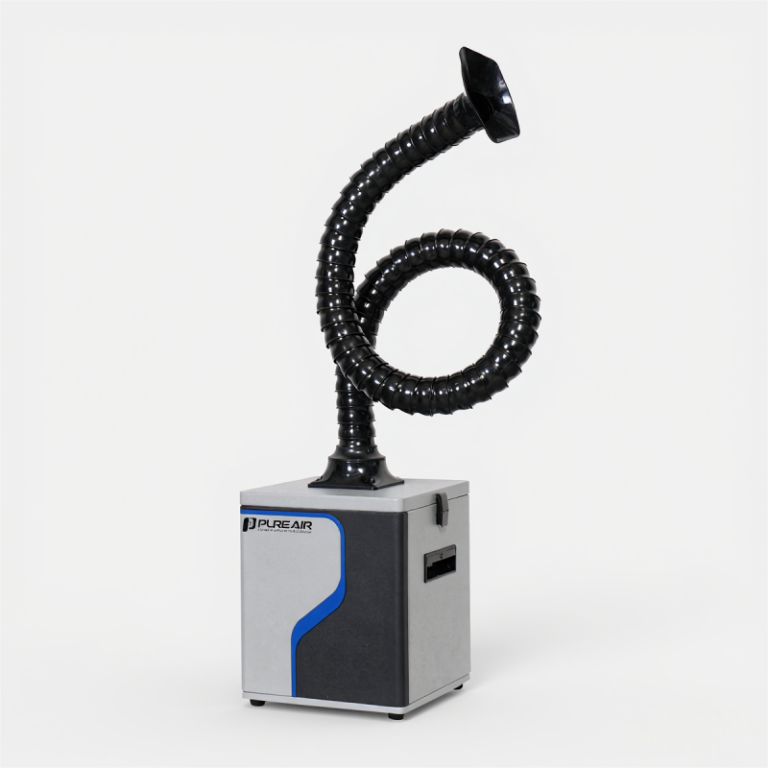
Now I want to shift forward and outline the new principles shaping modern laser marking fume extractors. Modern designs pair targeted capture with layered filtration: a pre-filter for coarse particulates, a HEPA stage for ultrafine particles, and dedicated activated carbon or catalytic modules for gases. That combination tackles both particulate load and VOCs. Crucially, systems are moving towards smart diagnostics — pressure sensors, differential gauges, and even simple edge computing nodes that flag filter saturation before performance drops. This matters because prevention beats emergency fixes. I think of it like preventive maintenance for people and machines: you spot the trend early, you replace a filter, not your workforce’s health. — seriously.
Real-world impact — what adoption looks like
Adopting these principles reduces downtime and complaints. In one retrofit I advised, adding a multi-stage purifier and reworking ducting cut visible smoke complaints by two-thirds and reduced odour reports to nearly zero. That kind of outcome comes from matching capture velocity to process intensity and choosing filter media based on material being marked. If you’re shopping, read the test reports and ask for CADR, not just fan wattage. Also, remember to check for maintenance ease and replacement filter cost — they compound over years. For more targeted options, consider industrial air purifiers for smoke which show how layered filtration and smart monitoring can be combined in compact units.
Choosing the right solution — three practical metrics
We’ve covered where things fail and how new designs help. To finish, here are three clear metrics I use when evaluating any extractor: 1) Capture effectiveness at source — measured as face velocity and verified with smoke tests; 2) Filtration breadth — confirmed layers (pre-filter, HEPA, activated carbon) and replacement cost; 3) Operational transparency — real-time pressure or particulate monitoring plus clear maintenance alerts. These tell you if a system will protect people and keep processes running smoothly. When in doubt, insist on measured performance data and a sensible service plan. I’ve found that those two checks separate the long-lived systems from the ones that become expensive shelf fixtures.
For thoughtful, practical solutions I recommend investigating manufacturers that combine tested filtration stages with smart diagnostics — companies like PURE-AIR are building systems that reflect these principles. I’ve seen the difference it makes in a busy shop: less downtime, fewer complaints, and a calmer work floor. That outcome matters.