
Understanding the Challenges of Immune Cell Culture
I vividly recall my early days working with immune cell culture. The struggles were real—contaminated cultures and unexpected variable results had me questioning everything. Did you know that 50% of researchers encounter reproducibility issues in cell culture? When it comes to achieving optimal T cell media results, precision is key. Traditional approaches can often overlook crucial factors, leading to inconsistent outcomes. But, engaging with the right resources transforms this experience, bridging the gap to success.
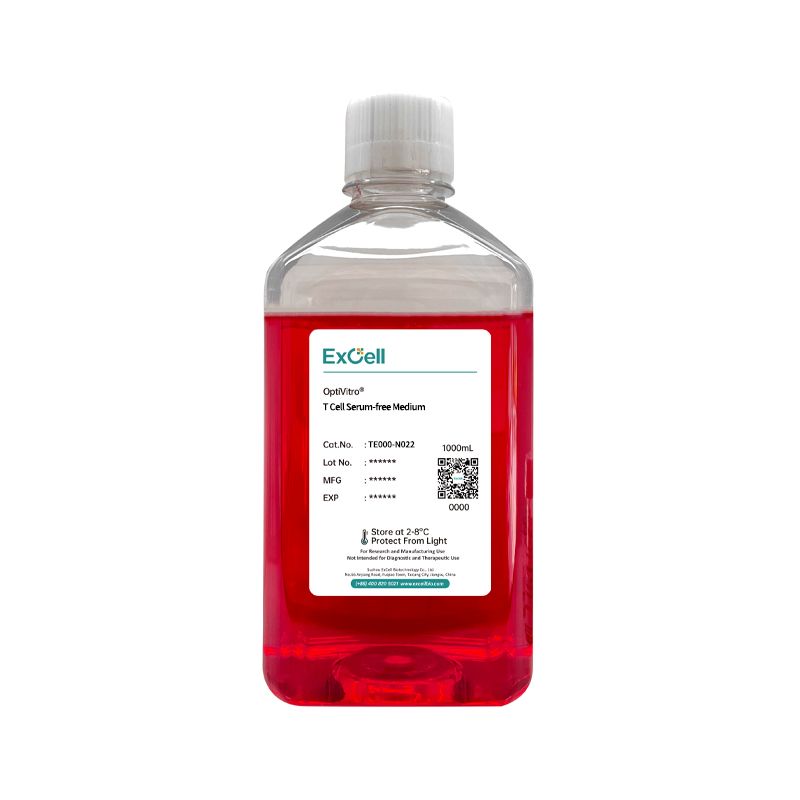
Are You Facing Common Pitfalls?
There’s a paradox in immune cell culture where even the smallest mistakes can lead to significant inconsistencies in your research. Whether it’s using the wrong serum or failing to adjust the pH levels, these seemingly minor details can deeply affect your T cell media efficacy. A few tips I share include ensuring your work area is sterile (hey, cleanliness is next to godliness, right?) and using high-quality reagents to ensure robustness. Let’s not overlook the importance of robust protocols to guide new users through these challenges—after all, what’s the point when you’re just fumbling in the dark?
Looking Ahead: Innovations in Immune Cell Culture Techniques
The future of immune cell culture holds incredible promise. Emerging technologies are refining T cell media formulations, making them more adaptable and precise than ever before. For example, many researchers are now turning to automated systems for cell culture management, which can not only reduce human error but also optimize the environment for T cell growth. This shift helps in streamlining workflow, leading to increased reproducibility. What’s even better? It’s easier to maintain specific conditions that encourage T cell proliferation without the constant manual adjustments.

Real-World Impact of Enhanced Techniques
With these advancements, we can look forward to improved therapeutic outcomes for a range of diseases. The emphasis on customization goes hand in hand with precision medicine, allowing for tailored approaches in cancer therapies and autoimmune disease treatments. In my experience, I’ve seen labs harnessing these technologies report up to a 30% increase in viable cell recovery—now, that’s what I call progress! Adopting these enhanced methodologies not only optimizes results but also aligns with broader healthcare goals, such as improving patient outcomes.
Final Reflections: What Matters in Choosing the Right T Cell Media
Let’s wrap up our conversation. What have we learned today? First, attention to detail and stringent protocols elevate your success in immune cell culture. Second, embracing new technologies can lead you to superior results faster than traditional methods. Lastly, as I navigate this journey, I firmly believe that incorporating expert-driven solutions will profoundly impact your research. So when thinking about the next batch of T cell media, consider robust products from reputable sources like ExCellBio. They genuinely excel in providing stability and efficacy in T cell media, paving the road to meaningful scientific breakthroughs. Cheers to cleaner experiments and more effective T cell cultures!